Method.Verification.Record.
A transparent account of the research selection criteria, ingredient sourcing standards, independent verification procedures, and revision controls applied to every entry in the Tarlino archive.
Research Selection & Source Qualification
Each program entry begins with a literature review drawn from indexed nutritional science publications. Sources are selected based on relevance to the male 30+ demographic, sample size, publication date (preference for research published within the preceding eight years), and methodology transparency. Review articles are used to establish direction; primary research is required for composition claims.
Research appearing only in non-peer-reviewed publications, industry-funded single-source studies, or publications without a declared conflict-of-interest statement is flagged in the entry footnotes and not used as a primary basis for composition recommendations.

Ingredient Sourcing & Supplier Documentation
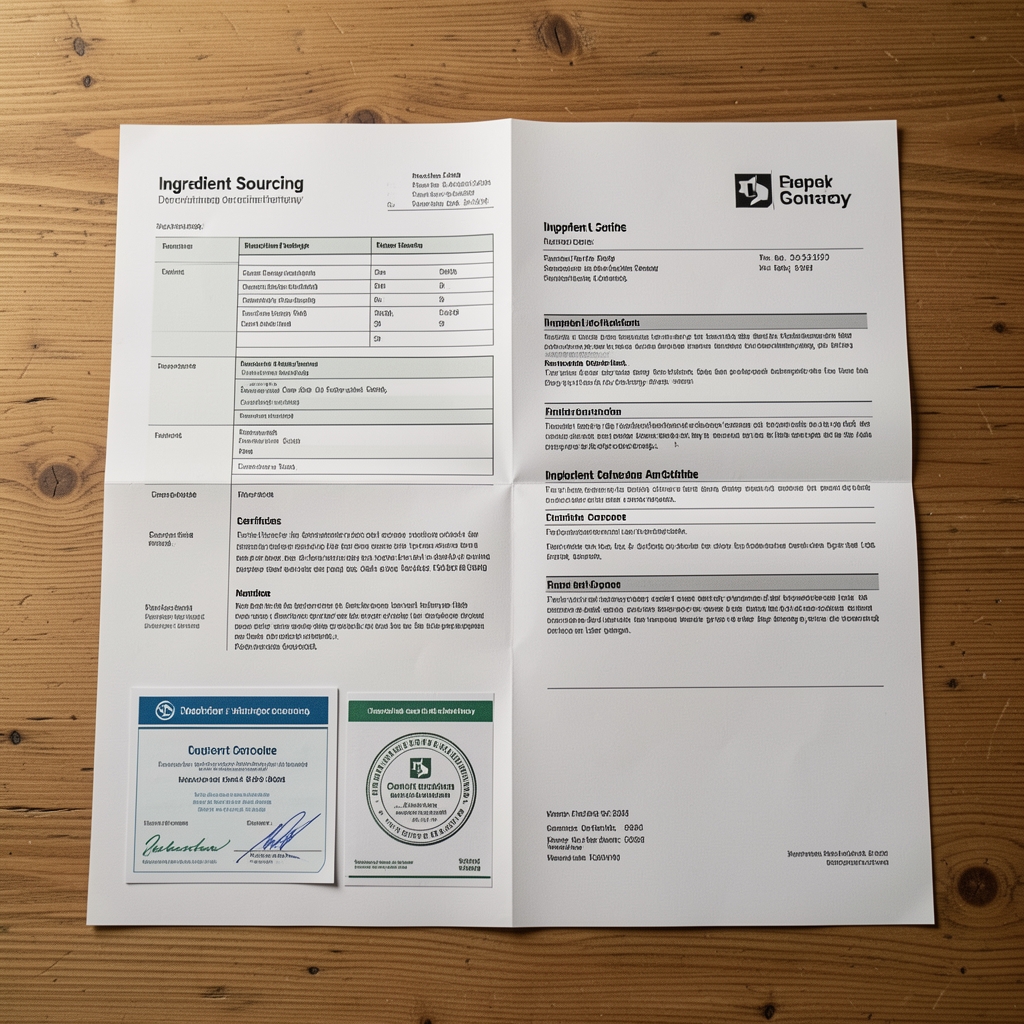
Active ingredients are sourced from documented suppliers, with each batch accompanied by a certificate of composition. Sourcing prioritises suppliers whose facilities maintain food-grade processing standards. Each supplier entry in the Tarlino sourcing index includes: facility location, processing method documentation, and the date of most recent independent assessment.
Regional sourcing is preferred where it reduces cold-chain complexity and documentation gaps. Named-region materials are identified as such in the ingredient sourcing note. Substitutions are documented in the lot record whenever a named-region source cannot be fulfilled in a given batch.
Composition Formulation & Ratio Documentation
Macronutrient ratios and serving composition targets are established by the lead contributor and reviewed by the research analyst. Each composition is cross-referenced against the source literature that informed it. Any ratio that diverges from a published research range by more than 15 percent requires a supplementary justification note.
Micronutrient concentration figures in supplement entries are expressed as grams or milligrams per daily serving and are matched against established dietary reference values for the relevant demographic group. No concentration figure is recorded without a direct reference to the source publication.

Independent Batch Verification
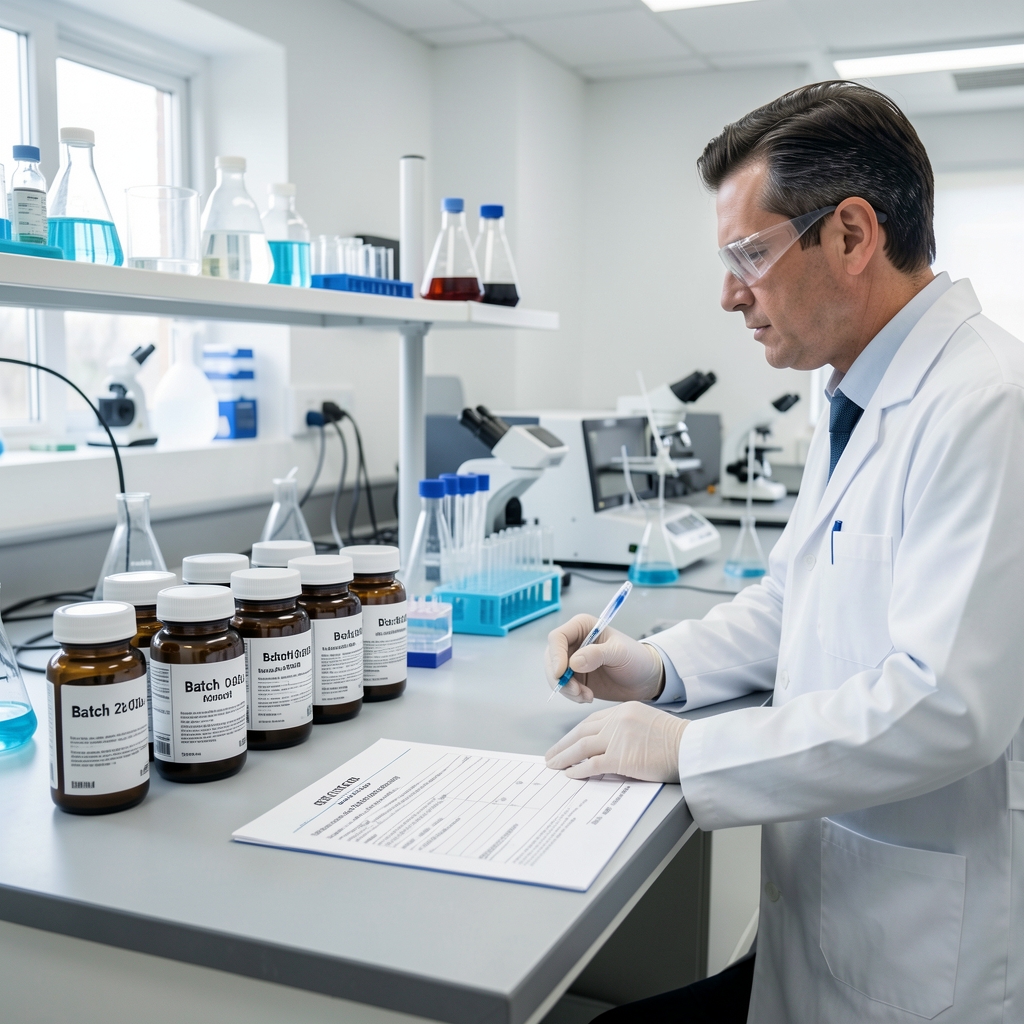
Each batch of supplement product undergoes independent verification conducted by a third-party laboratory. Verification scope includes elemental concentration, labelling accuracy, and absence of undeclared contaminants at reportable levels. The laboratory is selected independently of the ingredient supplier to ensure impartiality.
Batch verification results are archived with a lot record number. The lot record cross-references: the batch production date, the ingredient certificate of composition, the laboratory verification report reference, and the date the batch was released for distribution. This traceability structure is maintained for all batches produced since Revision 03.
Revision Control & Archive Management
The archive operates on a quarterly revision schedule. Each entry carries a revision date, version number, and the initials of the contributor who last updated it. When new published research materially affects a documented composition recommendation, an interim update is logged as a supplementary note with a clear date stamp rather than replacing the original record.
Prior revision records are retained in the archive index. This approach ensures that users can trace the basis for any composition recommendation at any historical point in the archive. The current edition is Revision 09, published February 2026. Revision 10 is scheduled for Q2 2026.

Sourcing principles applied to every ingredient entry.
The Tarlino ingredient sourcing framework applies six documented principles to every supplier evaluation. These principles were formalized in Revision 04 of the archive following a full audit of the existing supplier list at that time. Suppliers who did not meet the updated standards were removed and replaced, with substitutions documented in the affected lot records.
Each ingredient batch must be accompanied by a complete chain-of-custody document tracing origin, processing facility, and handling dates.
Processing facilities must operate under food-grade standards with documented evidence provided on request and independently reviewed every 24 months.
A separate certificate of composition is required for every batch. Standing or umbrella certificates that cover multiple batches are not accepted.
Where a specific regional origin is documented in the research basis for an ingredient, that region is preferred and substitutions are flagged in the lot record.

Tarlino products are nutritional food-supplements registered with the applicable local regulatory authority under food-supplement classification. Products meet compositional and labelling requirements for nutritional supplement categories.
Ingredient profiles in Tarlino supplements are selected based on published nutritional research and undergo independent batch verification for quality and labelling accuracy.
We recommend speaking with a qualified wellness or nutrition professional before introducing any supplement to your daily routine, particularly if you have specific dietary requirements.